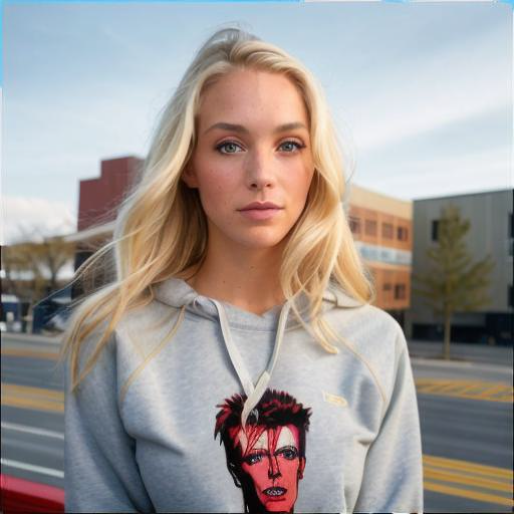
With all this talk about the jobs that will be lost to AI, such as BT’s perhaps-slightly-premature job hack, it might be easy to assume that the sort of roles at risk are unglamorous, middle management paper pushers or jobs in call centres. But anyone who’s spent a bit of time playing with tools like stable diffusion will know that it can bring into being whole people: pretty, ugly, any gender, any colour, any pose, any setting, any resolution, any anything that are needed, at the drop of a hat. Jobs that previously required models, shoots, and then hours of retouching in photoshop, can be summoned up, seemingly from nowhere in just a few minutes. The following were all created on an M2 mac in under an hour. A more powerful computer could do millions.
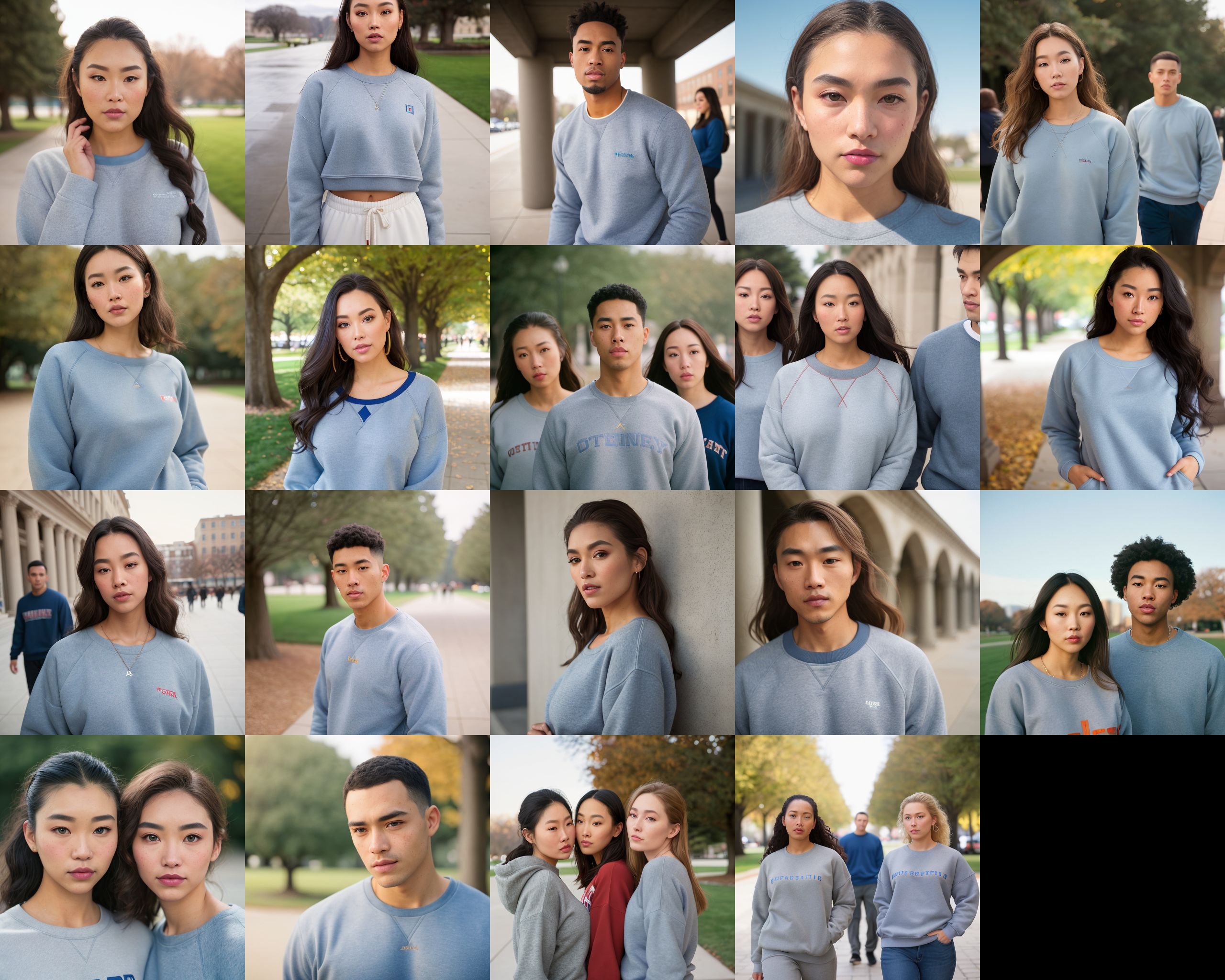
The computers might not be good at going to parties, smoking and so on, but they seem to be a pretty effective replacement for a basic brand photoshoot. Certainly, more than an effective substitute for 90% of modelling done for stock photography. And there’s no one else to pay either, or royalties.
What is happening when AI does this is also a great model (excuse the puns) for the current (very impressive) AI magic tricks that have grasped everyone’s attention. Yes. the pictures are realistic (as long as hands aren’t needed), but of course they’re not really photos in the traditional sense. And once you’ve got over being impressed, you can start to worry about the implications for all this, as we seem destined to not be staring at billboards of overpaid supermodels but instead of images of zombie people, with less than no thoughts in their heads.
But this issue gets way more complicated than the fact that the characters aren’t real. What about rights? Each of these pictures is hugely derivative.
They’re based on 1,000s if not 1,000,000s of real people’s faces. See what happens when I ask for the top image to be a little more like a well know actress in Gossip Girl:
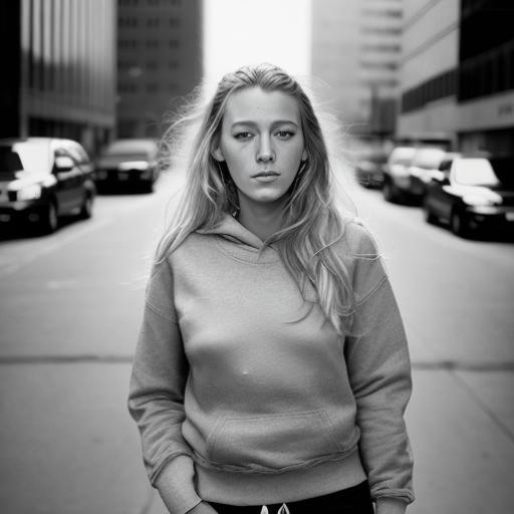
It’s not that Blake has been added. She was already there. She’s been turned up.
Without the source photos, there are no new images. This is a type of intellectual property right that we are simply not ready for. And this problems doesn’t just exist in stable diffusion and midjourney. What about vocal tracks cooked up from Sia, Adele and some unknown singer from South London? Or the stuff that Chat GPT spews out? These aren’t answers, or results, they’re answer-like facsimiles produced from millions of other anwers.
I mentioned Searle’s Chinese Room in an earlier post. Its well worth a read. Understanding if the computer is thinking is going to become harder and harder. And we’ll start to ask ourselves whether our thinking is that different from some of the magic tricks we see on line. I’m sure there’s a fair number of undergraduate essays which aren’t much more than synthesis of other work. But when we look at things, we are making judgements about how the parts interact, and that is not the same as what (current) generative AI is doing.
None of this makes AI any less fun, fascinating or impactful. But as we do pop over the peak of expectations for this new technology, let’s brace ourselves for the hard work of how to make this stuff work beyond the hype and hyperbole, in the real world.

 Leading product